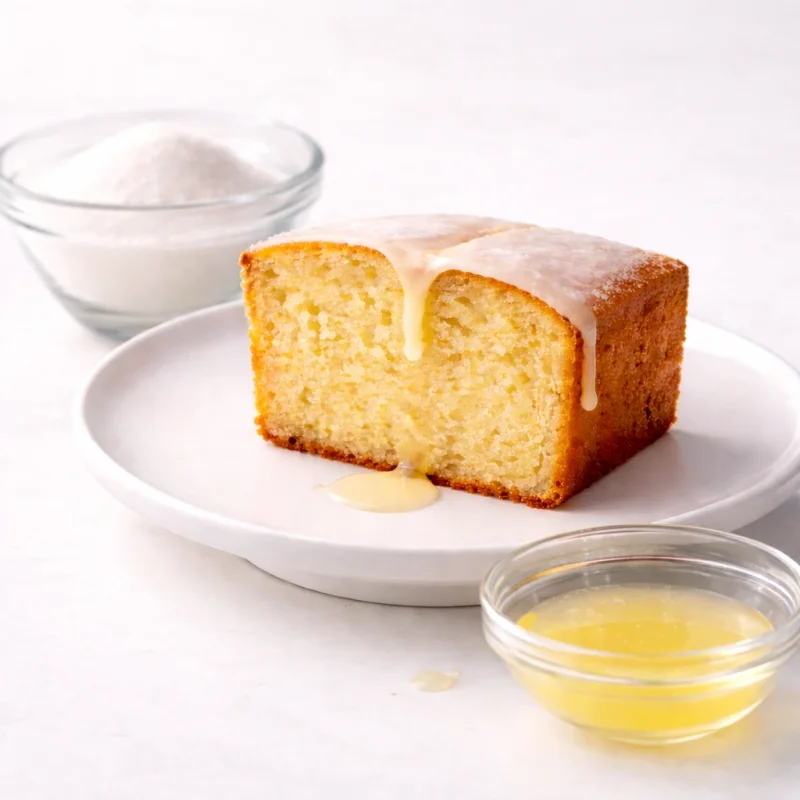
Flavor balance: when sweet and acidic notes create structure
Aromatic depth, a moist crumb and a clean flavor profile
The aroma of freshly baked cake always promises balance. It is not only sweetness, but the tension between acidity and sugar that creates a full, rounded impression on the palate. When the relationship is right, the crumb is soft and elastic, the crust gently browned, and the flavor feels neither overly sweet nor flat. When the balance is lost, you can get a bitter finish, a dense texture or an unpleasant sharpness.
Sugar in baking is more than a sweetener. Its type and amount affect color, moisture and structure, while acidity can highlight fruit notes and influence chemical leavening reactions.
What you need to know about balancing acidity and sugar
Acidity is not there simply to make a cake taste sour; it can make the overall flavor clearer. A little lemon juice or a fermented ingredient may bring out aromas that would otherwise stay in the background.
Sugar is not only sweet – it also affects moisture, texture and color.
Together:
- sugar softens the perception of acidity,
- acidity prevents sweetness from feeling too heavy,
- both can contribute to a moist, balanced texture.
This is especially noticeable in chocolate desserts. Instead of adding more sugar, a subtle acidic note can bring out cocoa depth and make the flavor more defined without increasing sweetness. See How to intensify chocolate flavor without adding more sugar for a related technique.
The most common mistakes
- Too much acidity → a sharp, unpleasant or metallic finish.
- Too much sugar → a heavy flavor with little contrast.
- Ignoring fat → changes in the water-to-fat balance can alter texture.
- Poor temperature or processing control → sugar behavior, leavening reactions and final texture can change.
If your goal is more moisture without adding sugar, check hydration and batter structure before simply increasing sweetness. A useful follow-up is Moist cake with less sugar: how to keep the crumb soft.
How they affect texture
Acidity can:
- react with baking soda,
- influence protein structure,
- highlight natural fruit aromas.
Sugar:
- attracts and holds water,
- supports foam stability,
- contributes to color and browning.
When they are properly balanced, you get a soft crumb, an elastic bite and a clean finish.
Practical advice from a professional kitchen
- Start with a small amount of acid and adjust gradually.
- Match sugar levels to the type of bake – sponge cake and shortcrust pastry do not respond in the same way.
- When it is safe to do so, taste the raw batter to understand the formula before baking.
- Use a very small amount of salt to make the overall flavor clearer.
Why this article is useful
- It explains acidity and sugar balance without unnecessary complication.
- It connects flavor with texture and structure.
- It identifies practical formulation mistakes and ways to think about corrections.
- It applies to sponge cakes, pies, chocolate desserts and fruit cakes.
- It brings a professional way of thinking into the home kitchen.
Good baking is not accidental. Every note has a place. When acidity and sugar meet in the right relationship, the flavor is not loud – it is deep, clean and memorable.
Frequently asked questions
Answers to common questions
How can I tell if there is too much acid in a cake batter?
Too much acid can make the flavor noticeably sharp. In recipes that use baking soda, it can also upset the balance between the acid and the leavener. Adjust acidity gradually and judge it as part of the whole formula rather than in isolation.
Does sugar affect only flavor, or texture too?
Sugar has several technical roles in cake. It attracts and holds water, affects protein setting, helps stabilize foams and contributes to browning. Reducing it can therefore change texture even when the sweetness still seems acceptable.
Why can acidity make chocolate taste more bitter?
Acidity can increase the contrast with cocoa that is already bitter. In a small, controlled amount it can highlight fruity cocoa notes, while too much can make the finish feel sharp and aggressive.
When should I add acid to cake batter?
The most predictable approach is to add it in the liquid phase specified by the recipe so it disperses evenly. When baking soda is used, timing matters because the reaction with the acid starts as soon as the relevant ingredients meet.
How can I balance a cake that is already too sweet after baking?
You cannot change the internal structure after baking, but you can change the way the flavor is perceived. Serve it with a moderately acidic component or a very small amount of salt to reduce the impression of one-dimensional sweetness.
Can a little salt really improve sweet-and-acid balance?
Yes. A small amount of salt can make aromas read more clearly and soften the impression of excessive sweetness or sharpness. The goal is not a salty taste, but a more defined overall flavor profile.