
Cakes, Sponges & Creams
How to Make Smooth Mascarpone Frosting Without Lumps
Diagnose mascarpone frosting correctly: large soft lumps, fine graininess and overmixing point to different causes and fixes.
Read expert guide →PEKI · baking knowledge, practice and science
PEKI connect hands-on experience with baking science so you can understand ingredients, temperature, dough, creams and failures – and reproduce good results for a reason.
Selected baking knowledge
Diagnose mascarpone frosting correctly: large soft lumps, fine graininess and overmixing point to different causes and fixes.
Read expert guide →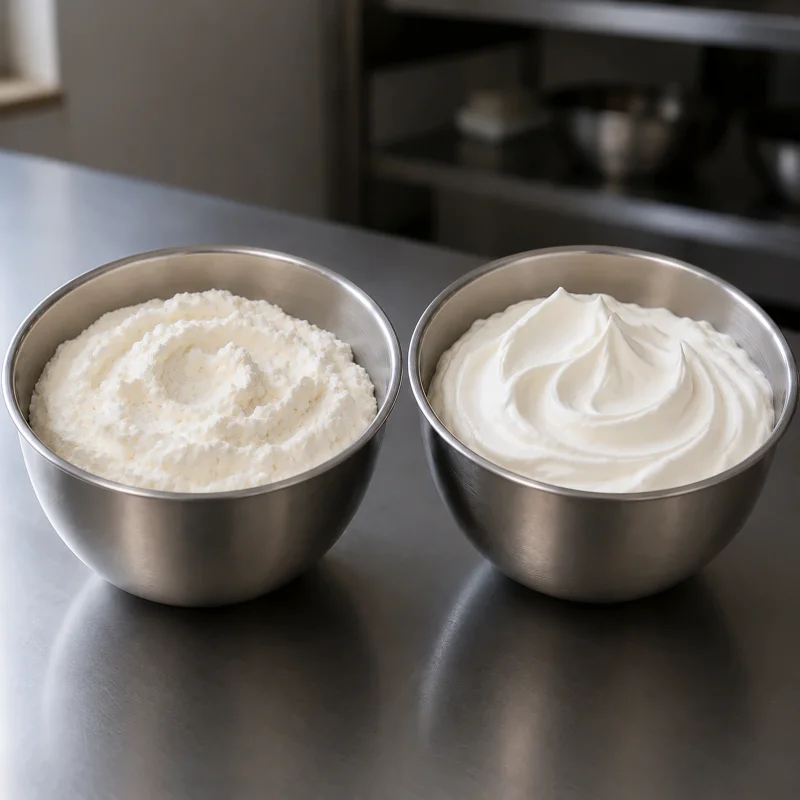
Judge whipped cream by appearance, not by a fixed time. For most creams, stop when the foam is smooth and glossy and the peak holds its shape while the tip still bends…
Read →
An even rise starts with kneading: ingredients need to be evenly distributed, flour sufficiently hydrated, and the gluten network developed enough to retain gas.
Read →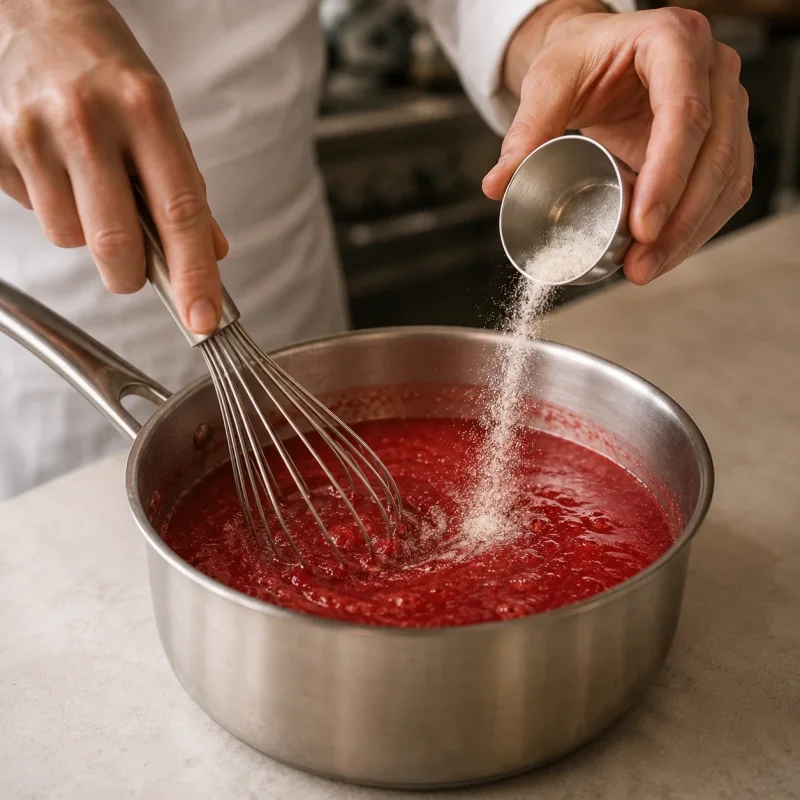
Agar agar is not plant-based gelatin and it does not replace gelatin 1:1. For pure agar powder, a practical starting range is roughly 0.2% for a very soft gel up to about…
Read →PEKI · practical solutions
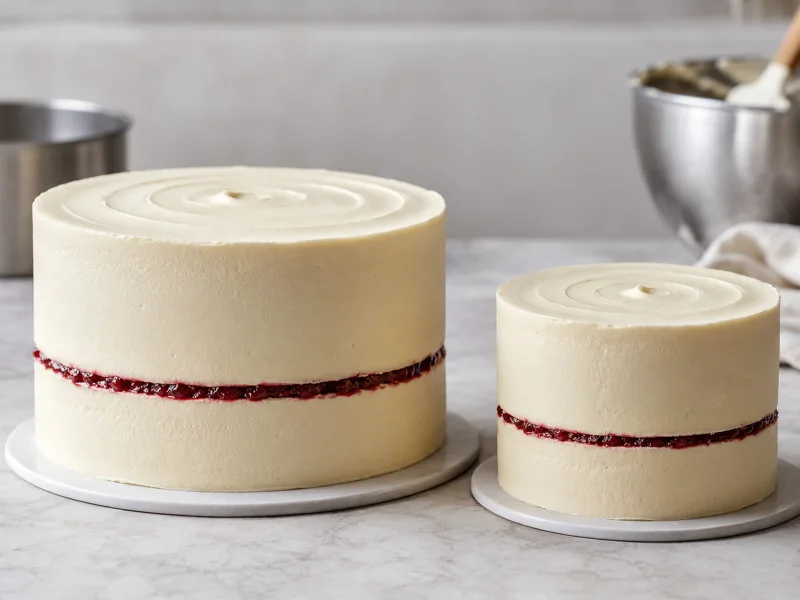 Calculators and converters Cake Pan Converter: Scale Recipe Ingredients Between Pan Sizes
The cake pan converter compares the geometry of the original and target pans. Shape, dimensions and depth produce the recipe multiplier used for…
 Yeast, Sourdough, Baking Powder and Baking Soda Fresh vs dry yeast: conversion ratios and how to use each
For instant yeast, a useful general starting point is fresh yeast × 0.33. For active dry yeast, a professional guideline is about fresh yeast × 0.40.
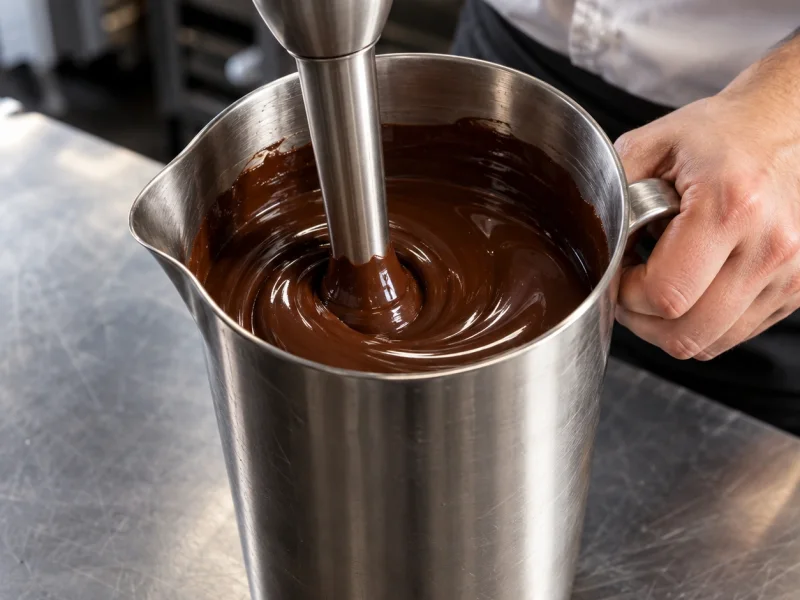 Creams, Emulsions, Thickening & Gelling Chocolate ganache: ratios for a smooth, stable texture
Choose the ratio by chocolate type and use. Per 100 g cream, a useful soft-ganache starting point is about 100 g dark, 150 g milk or 200 g white…
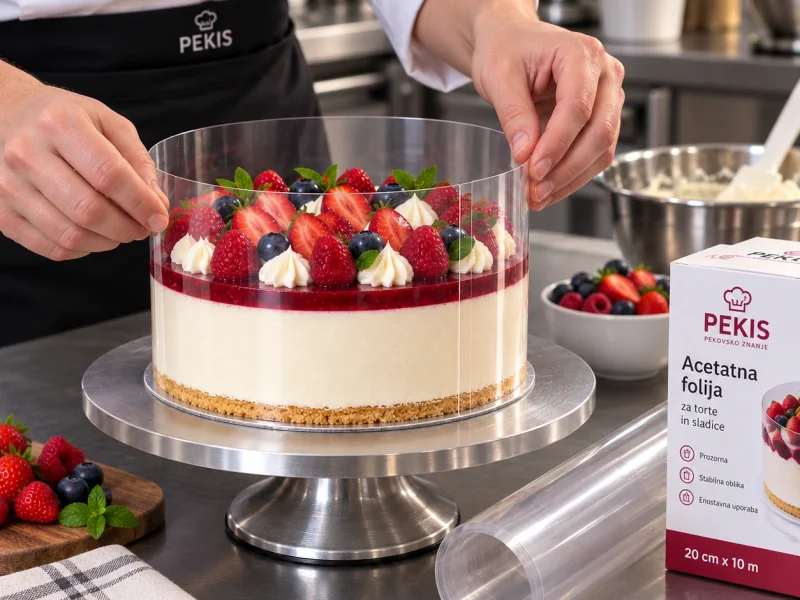 Equipment, tools and measurement Acetate Cake Collars: Height, Use and Smooth Cake Sides
An acetate cake collar is a smooth transparent food-contact strip placed inside a cake ring for mousse cakes and other chilled desserts.
PEK · recipes
The latest recipes with measurable methods and clearly explained critical points.
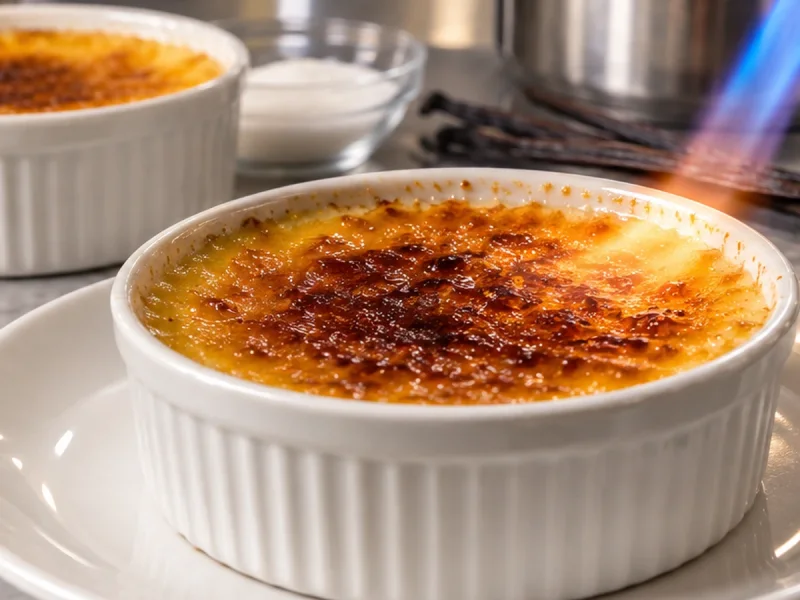
Recipe
Bake the custards in a water bath at 140°C until the centre still has a gentle unified wobble and is about 80°C, chill thoroughly, then torch a…
Read →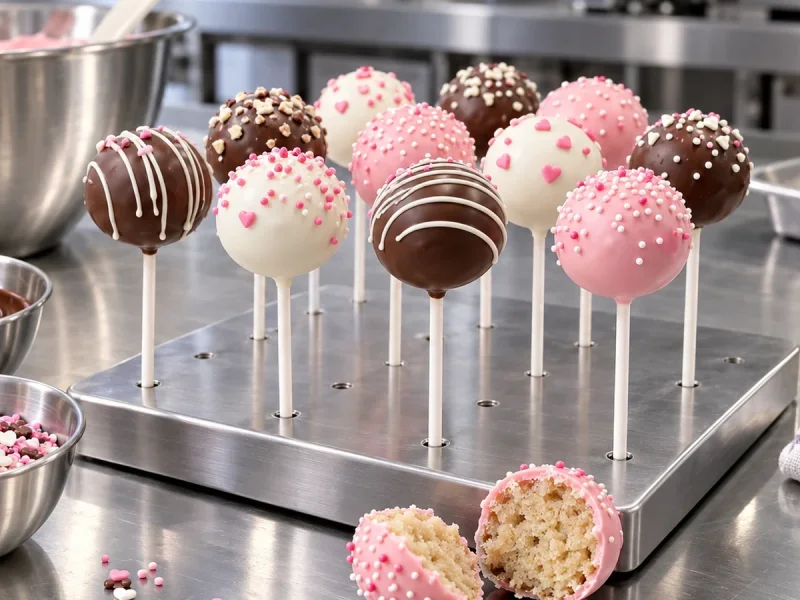
Recipe
Combine 450 g cooled baked cake with 70–90 g cream cheese as needed, shape 20 g balls, chill, secure the sticks with coating and dip one at a…
Read →Explore by topic
PEK Academy
Expert guides, explanations and troubleshooting for bakers who want to understand the process behind dough, creams, ingredients and reliable results – not just follow a recipe.
New on PEK.si
Each guide aims to explain the cause, the process and the practical decision.
Where useful, we use temperatures, ratios and observable signs instead of vague rules.
Start with a problem, then move to the cause, explanation and the right deeper guide.